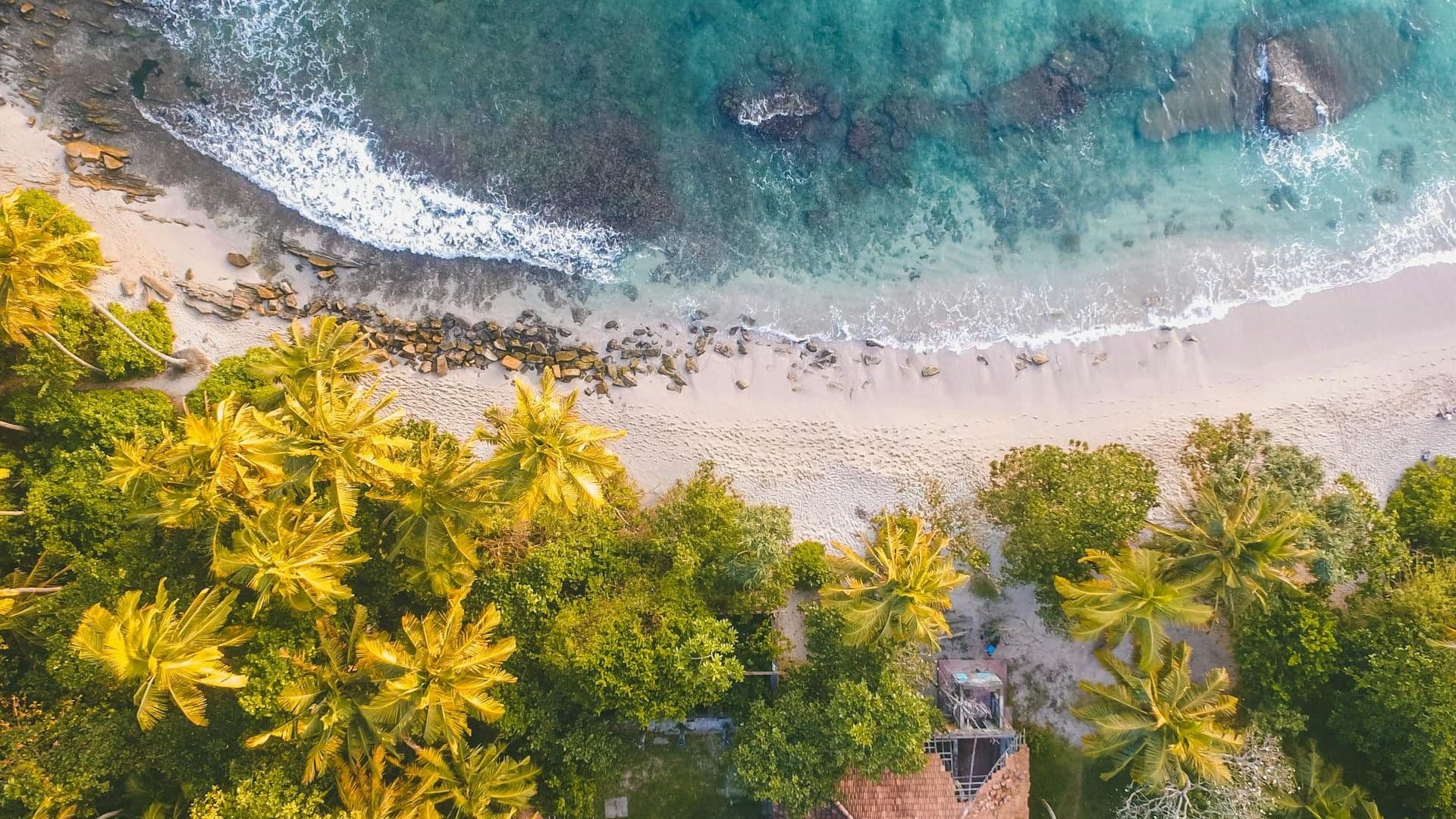
Stradbroke Island has far more beaches than the ones on the tourist maps. From patrolled swimming beaches to hidden coves that require local knowledge, here is a guide to the island’s best sand — and which beach suits what you are looking for.
North Stradbroke Island has more beaches than most visitors realise. The obvious ones — Cylinder Beach, Main Beach — appear on every list and for good reason. But the island also has sheltered coves, windswept ocean strands, calm western shores, and hidden pockets of sand that most tourists never find.
Each beach has its own character, conditions, and best use. Knowing which one to visit and when can be the difference between a good beach day and a perfect one. Here is a local’s guide to Straddie’s best beaches.

Cylinder Beach is the island’s most popular swimming beach, and it earns that status. Facing south into a sheltered bay, it is protected from the prevailing north-east swell, which means the waves are gentle enough for children and nervous swimmers while still offering enough energy for a body surf.
The beach is patrolled by surf lifesavers during peak periods (weekends and school holidays year-round, daily during summer). Facilities include showers, toilets, and a grassy picnic area with shade. The Surf Club sits at the eastern end, and there are a handful of cafes and shops within walking distance at Point Lookout.
Best for: Families, swimming, a safe and accessible beach day. This is the beach to choose if you want patrolled conditions and nearby amenities.
When to visit: Year-round. The sheltered aspect means Cylinder Beach is swimmable even on days when the ocean-facing beaches have significant surf. Morning and late afternoon light are particularly beautiful here.

Main Beach is exactly what the name suggests — the main event. Stretching for 32 kilometres along the island’s eastern coast, it is one of the longest uninterrupted sand beaches in South East Queensland. The scale is difficult to appreciate until you stand at one end and look south, seeing nothing but sand, surf, and sky disappearing into the distance.
This is an ocean beach with proper surf. Conditions vary along its length, and there are no lifeguard patrols outside of specific access points. The northern end near Point Lookout tends to be more accessible, while the southern stretches become increasingly remote.
Main Beach is also a gazetted vehicle beach — 4WDs are permitted to drive along the sand. This is how many locals access fishing spots and remote sections. If you are on foot, the northern access points near Point Lookout offer easy entry to quieter sections away from vehicles.
Best for: Long walks, surfing, fishing, photography, and anyone who wants space. If you are tired of crowded coastal towns, Main Beach is the antidote.
When to visit: Mornings offer the best conditions for walking and photography. Surfers should check swell reports — the beach picks up east and south-east swells well. Avoid swimming outside patrolled areas unless you are an experienced ocean swimmer.
Tucked just south of Point Lookout headland, Frenchman’s Beach is a crescent of golden sand backed by pandanus trees and coastal scrub. It faces east, catching the morning sun and the open ocean swell.
The beach is smaller than Cylinder or Main Beach, which keeps crowds low. Access is via a short walking track from the headland area. The setting is arguably the most photogenic on the island — the combination of turquoise water, rocky headland, and native vegetation creates a distinctly tropical feel.
Swimming here requires caution. The beach is unpatrolled and can have strong currents, particularly near the rocks at either end. On calm days it is stunning for a swim, but check conditions and stay in the central section.
Best for: Photography, scenery, a quieter beach experience close to Point Lookout. A good option when Cylinder Beach is too busy and you want something more secluded without travelling far.
Despite the name, Deadman’s Beach is one of the island’s loveliest spots. Located between Point Lookout and Cylinder Beach, it is accessed by a walking track through coastal bush. The track itself is part of the appeal — a short descent through vegetation before the sand opens up.
The beach is small, rarely crowded, and flanked by rocky outcrops that give it a private, enclosed feeling. It faces east and gets good morning sun. Snorkelling around the rocks on calm days can reveal tropical fish, and the clear water is inviting.
Like Frenchman’s, it is unpatrolled. Swim with caution and be aware of swell and current conditions.
Best for: Solitude, snorkelling on calm days, and a sense of discovery. This is the kind of beach you find and feel like you have earned.
Amity Point sits on the island’s western shore, facing into Moreton Bay rather than the open ocean. This gives it a completely different character from the eastern beaches. The water is flat, shallow, and warm. There is no surf. The pace is slower.
The town itself is a small fishing village with a jetty, a caravan park, and not much else — which is exactly the appeal. Locals fish from the jetty at sunset. Dolphins are frequently spotted in the shallows. Dugongs occasionally appear in the seagrass beds offshore.
The beach at Amity is a gentle strip of sand along the bay. It is not dramatic, but it is peaceful. For families with very young children, the calm, shallow water is ideal. For everyone else, it is a place to slow down.
Best for: Young children, dolphin watching, sunset fishing, and a genuine village atmosphere. Amity offers a different experience from the ocean beaches and is worth visiting as a contrast.
Between the main beaches, Straddie has several small coves and pockets of sand that do not appear on tourist maps. Some are accessible from the North Gorge walking tracks. Others require knowledge of unmarked paths through coastal bush.
These are not secret in the dramatic sense — locals know them well. But they are the kind of places that independent visitors rarely find because there are no signs pointing the way. The coves are typically small, sheltered by rocks, and empty. On a busy summer weekend when Cylinder Beach has every towel spot claimed, these coves might have nobody.
We visit some of these spots on our tours, and they are often the highlight of the day. There is something about arriving at a pristine beach with no one else around that stays with people.
Best for: Anyone who values seclusion and is willing to walk a little further. These coves reward the curious.
Not a beach in the traditional sense, but Brown Lake deserves a place on this list because it offers something none of the ocean beaches can: warm, calm, tannin-stained freshwater surrounded by native forest.
The lake gets its colour from tea-tree leaves that leach tannins into the water. The result is a clear, amber-toned lake that feels almost like a natural spa. The water is soft and warm, the bottom is sandy, and there are no waves, currents, or marine life to think about.
A wooden platform provides access to the water, and the surrounding bush offers shade and picnic spots. It is a popular stop for families and a welcome change of pace from the ocean beaches.
Best for: Families, a refreshing swim without ocean concerns, and a scenic freshwater experience unique to sand islands.
With a car or a guided tour, you can visit multiple beaches in a single day. Here is a quick decision guide:
Want to swim safely with kids? Cylinder Beach (patrolled) or Amity Point (flat calm water).
Want space and solitude? Main Beach (vast) or Deadman’s Beach (intimate).
Want the best scenery? Frenchman’s Beach or the hidden coves around North Gorge.
Want to see dolphins? Amity Point, particularly late afternoon.
Want freshwater? Brown Lake.
Want to do it all? Our day tour visits several of these locations, including beaches that independent visitors rarely find. In a small group of 11, there is time to swim, explore, and take in each spot without rushing.
Every beach on Straddie has something different to offer. The island’s gift is variety — within a 20-minute drive, you can go from wild ocean surf to calm bay water to freshwater lake, and find a stretch of sand with no one else on it at every stop.
Stradbroke Island Tours
Local guides sharing insider knowledge about North Stradbroke Island since 2020.
Book your eco-certified day tour from Brisbane to North Stradbroke Island.
Book Now